Crop Yields, Forecasts, and Monitoring Models : Agriculture
Fundamental supply and demand analysis providers generally offer only trade estimates, or market data, that covers a small portion of the global supply and demand patterns. This analysis is also impossible to verify because the analysts do not provide their methodologies.

Models: Machine Learning and Deep Learning
Farmioc is building forecast models of end-of-season yields, for many major crops. Farmioc combines several algorithms in a multilevel model and uses the understanding of physiological processes in temporal feature selection to achieve high precision in these forecasts, including any anomalous seasons.
Data, Data, .............., and Data
With these forecast models, we can provide a comprehensive outlook for global agriculture. Satellite-generated (remote sensing) data offers insights into crop conditions, with the combination of various other agriculture source data sets available to better inform cumulative year-over-year estimates.
Sometimes source data sets might be inadequate or delayed for reasons, and we still need to develop ways to accurately predicting future yield with minimal data input.
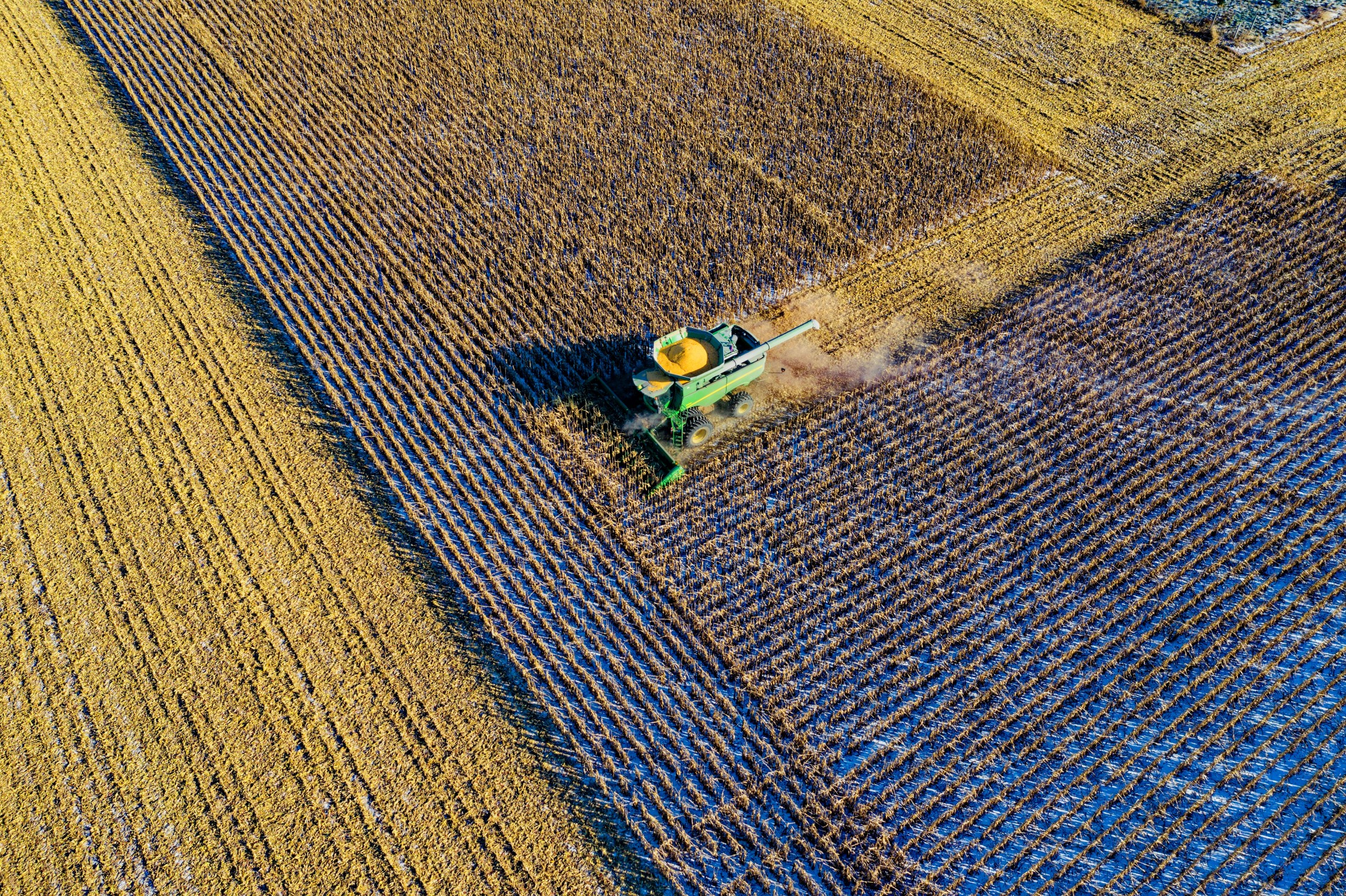
Accurately forecasting crop yields has broad implications for economic trading, food-production monitoring, and global food security. But creating predictive yield models for many crops when reliable acreage data doesn't exist presents a unique challenge - figuring out where crops are growing and exactly what the crops are.
To solve this problem, Farmioc is building high-resolution crop masks when there is a lack of good ground-truthed data. By compiling satellite (remote sensing) images of a given area, it's possible to determine where a specific crop is growing, and just as importantly, where it is not growing.
Crop yield models are valuable across the global Agriculture and food supply chain
Crop yield models are valuable because they take a complex set of variables including acreage, weather patterns, and vegetative health, and integrate them into an actionable piece of information for a variety of players across the global agriculture and food supply chain. So a critical first step to building yield and forecast models is creating a crop mask to figure out what crops are growing where.

Farmioc brings the world's agricultural data into a single platform with a common ontological language, enabling easy combination and comparison of the disparate data sets. This interaction of seemingly unrelated data can draw out powerful insights.
Agriculture Industry in India is evolving faster than ever before
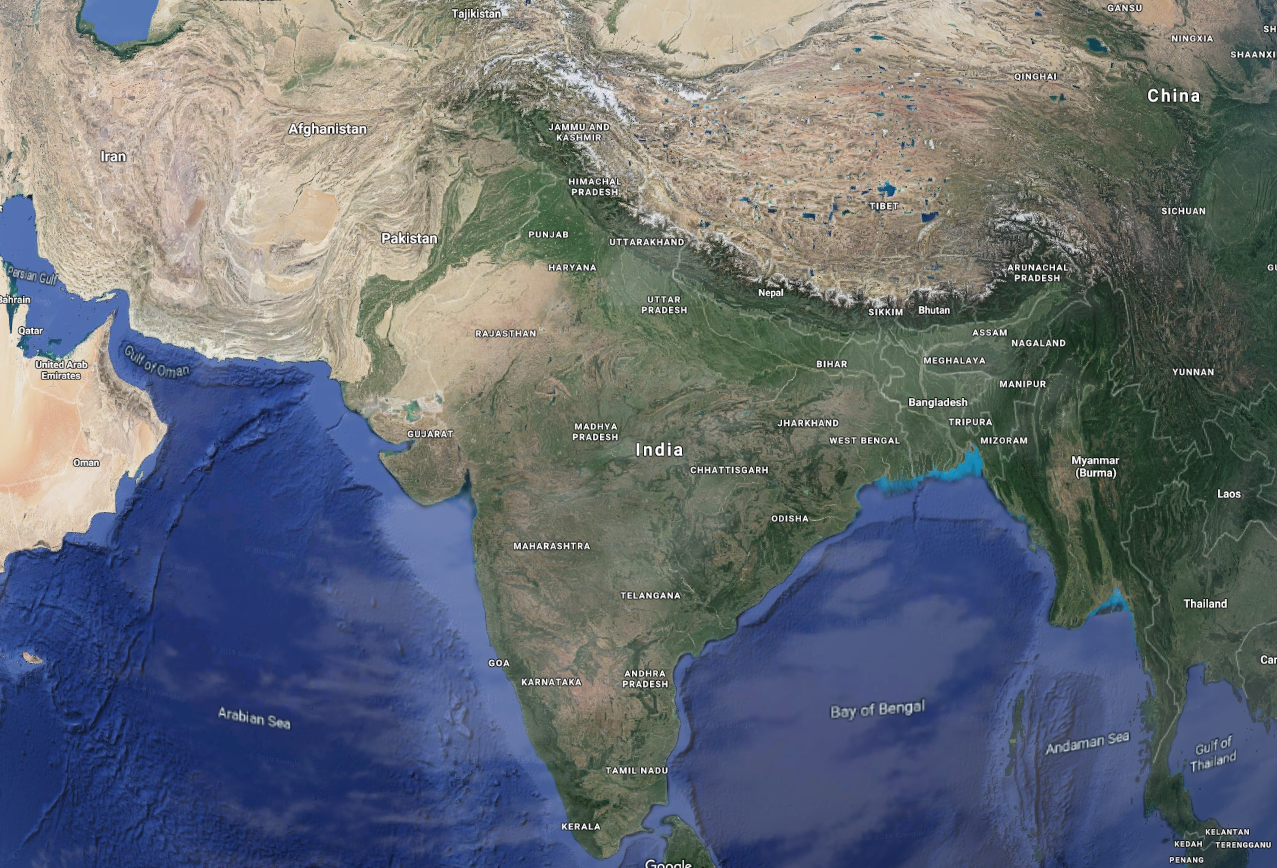
Agriculture Industry in India is evolving faster than ever before and there is increasing importance towards India's agricultural sector, we need to build yield models for several major crops. The Indian crop yield data is important for the world market as the health of their crop will determine if they are a net importer or exporter for the season. We need real-time yield and forecasts during the growing seasons in India.
Challenge is getting access to each farm Data
The main challenge - getting access to each farm data; some are very hard to reach, especially in rural areas - in building the India crop yield models is lack of good, objective acreage data of where the crops grow. This information is needed to construct a crop distribution map, or mask, even to use satellite (remote sensing) data to estimate the crop's health and conditions.
Addressing the Challenge with a modular Approach
We need to address this challenge first to estimate the crop's distribution so that we can use dated satellite greenness data to know which crops are planted where. We also need to test various local environmental metrics at the district, or mandal level to see which ones best "predicted" the known final crop yields.
Some variables Farmioc uses for these multiple depth level models include:
- Normalized Difference Vegetation Index (NDVI)
- Evapotranspiration (ET)
- Land Surface Temperature (LST)
- Weather and Rainfall Data
- Crop Calendars
- Crop Condition Analysis
- Soil Data
- Acreage Planted and Harvested
In the next few years, Farmioc will play a major role in the Indian Agriculture sector.