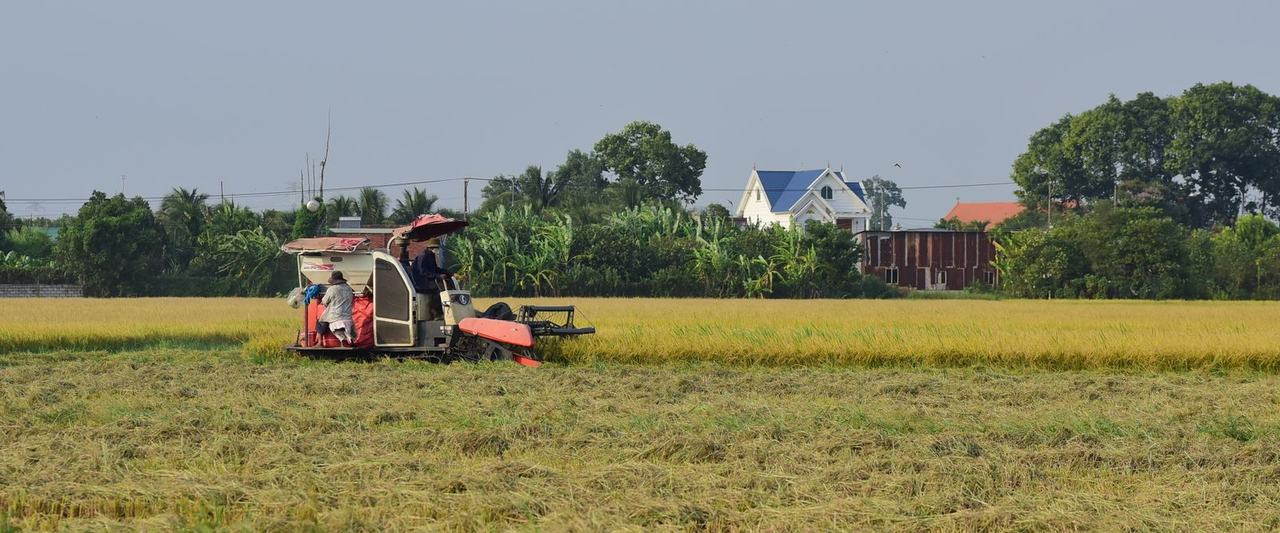
Paddy Procurement Is 23 Per Cent Behind. The Shortfall Is in the Mandis, Not in the Granaries.
Government agencies bought 13 million tonnes of paddy between 1 and 28 October, against 16.9 million tonnes in the same weeks last year. That is a fall of about 23 per cent in the opening month of the 2026-27 kharif marketing season. Read carelessly, the number looks like a supply problem. It is not one, yet. Rice stocks in the central pool stood at 37.76 million tonnes on 1 October, against a buffer norm of 10.25 million tonnes. The granaries are full. The mandis are slow. For millers, traders and lenders, those are two very different risks, and this season they need to be priced separately.
A gap concentrated in two states
Punjab accounted for most of the buying that did happen, with 8.86 million tonnes procured by 28 October. Haryana followed with 3.60 million tonnes, then Tamil Nadu with 418,987 tonnes and Uttarakhand with 81,681 tonnes. Every one of those states had bought more at the same point last season, according to the Central Food Grains Procurement Portal data cited in the report. The season target, meanwhile, has not moved with the weather: agencies are still aiming at 71.95 million tonnes for the season, essentially unchanged from last year's 72 million tonne target, even though paddy area is down about 3.5 per cent, or 1.55 million hectares. A target held steady against a smaller, later crop means the buying calendar has to compress. November and December now carry the tonnage October did not.
| State / total | Procured by 28 Oct 2026 |
|---|---|
| Punjab | 8.86 million tonnes |
| Haryana | 3.60 million tonnes |
| Tamil Nadu | 418,987 tonnes |
| Uttarakhand | 81,681 tonnes |
| All agencies, 1–28 Oct 2026 | 13.0 million tonnes |
| All agencies, 1–28 Oct 2025 | 16.9 million tonnes |
| Season target, KMS 2026-27 | 71.95 million tonnes |
Paddy procurement, Kharif Marketing Season 2026-27, as reported 30 October 2026 from Central Food Grains Procurement Portal figures. Farmioc.
Rain first, lifting second
The Punjab Agriculture Marketing Board's explanation is plain weather. Patchy rain raised the moisture content of the standing crop and pushed harvesting back; grain that does arrive wet cannot be bought to specification on the day it reaches the mandi. Early in the season, lifting was the second bottleneck — bought grain moved slowly out of the mandis, which chokes the space for the next day's arrivals. The Board says that lifting problem has since been resolved. That sequence matters for anyone reading arrivals data this month. A wet week depresses procurement without destroying a single tonne of crop. A lifting failure does the same. Neither shows up honestly if arrivals, procurement and evacuation are collapsed into one headline number, which is how most mandi reporting still treats them.
Uttar Pradesh opens, and the map widens
From 1 November the buying map widens. Uttar Pradesh begins procurement in its eastern divisions, with a state target of 65 lakh tonnes, above the 62 lakh tonnes it actually bought last season. The state will buy through eight agencies at 4,500 centres, of which 4,195 were already open when the announcement was made, and payments are to reach farmers within 48 hours by direct transfer. The price underneath all of this is the kharif MSP the Cabinet approved in May: ₹2,441 per quintal for common paddy and ₹2,461 for Grade A, up ₹72 on last season. Chhattisgarh is expected to contribute about 10.9 million tonnes to the central pool this season and Odisha about 6.4 million tonnes, so the season's centre of gravity shifts east and south from here.
What the lag does and does not change
For rice millers, a compressed procurement calendar means custom-milling schedules and working-capital drawdowns bunch into fewer weeks; the paddy will mostly arrive, but it will arrive together. For lenders with exposure to arthiyas, transporters and mandi-linked trade credit in Punjab and Haryana, October's shortfall is a timing exposure, not yet a repayment one — the test is whether November arrivals clear the backlog before quality complaints start. For the food security system, there is no test at all this month: central pool rice at 3.7 times the buffer norm absorbs a slow start without strain. The number to watch is not the cumulative total. It is the weekly pace in Punjab against last year, and whether Uttar Pradesh's eastern centres hold their 48-hour payment promise once volumes build. A lag that closes by late November was weather. A lag still open in December is something else.
Farmioc's PriceHub tracks mandi arrivals and prices across 200+ crops, and DataStore joins procurement pace to district-level crop and weather data — the combination a miller or lender needs to tell a wet week from a weak season.