Reading Tur After a Short Kharif: A PULSE Briefing on ₹10,425 Mandis, a ₹8,450 Floor and 6.25 Lakh Tonnes of Imports
Tur is the pulse India cannot grow enough of in a good year. This year does not look like a good year. The trade's early count puts the kharif crop at barely half of what the country eats, mandi prices in Maharashtra are running well above the support price before the main arrivals have even landed, and the policy response has already started — free imports extended, a new supplier continent being courted, and stock limits approved for one state this week. This is a PULSE briefing: five sections, one for each letter, on the tur balance sheet a buyer, lender or dal mill should be working from.
P — Production: more acres, less grain
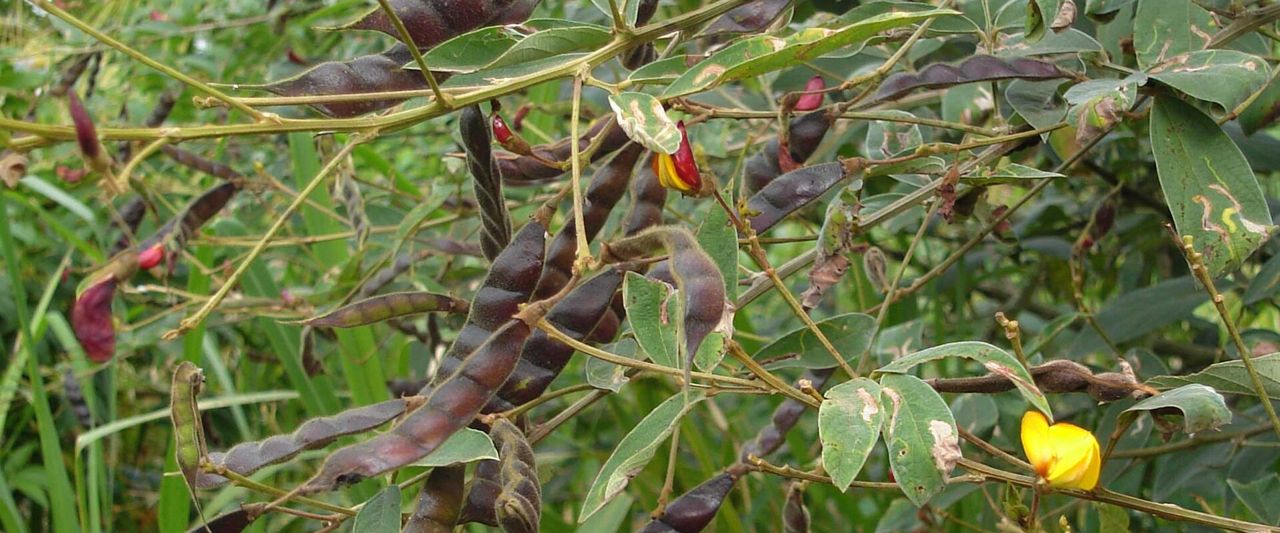
Start with the uncomfortable arithmetic. Tur acreage this kharif rose to 47.25 lakh hectares, up 2.83 per cent on last year — and the crop is still expected to shrink. The India Pulses and Grains Association's estimate, reported on 3 November, puts kharif output at 20–25 lakh tonnes against a government production target of 40 lakh tonnes. Label it for what it is: a trade estimate, not an official figure — the ministry's own first advance estimate for the season has not been published in the sources checked for this briefing. The mechanism, though, is documented in the same report: a weak June delayed sowing, July rain recovered the area, and dry spells then hit pod formation across Karnataka, Maharashtra, Gujarat and Madhya Pradesh. Area is the number sowing reports celebrate. Pods are the number the market eats.
U — Use: a 40-lakh-tonne appetite
Against that crop, annual tur consumption runs at an estimated 40–45 lakh tonnes. Even the top of the trade's production range covers barely half of it, and tur offers no second season to recover in: it is an exclusively kharif crop, so once the kharif harvest is worked through around February, supply until the next December harvest is imports and stocks, nothing else. Production has been climbing for a decade — from 25.61 lakh tonnes in 2015-16 to about 35.92 lakh tonnes in 2025-26 on the third advance estimates — and the gap has still not closed. That structural shortfall, not any single season, is why tur sits permanently one dry spell away from a price event.
L — Landings: imports up 44 per cent, new origins boarding
The import pipeline is already running hard. India imported 6.25 lakh tonnes of tur between January and August 2026, up 44 per cent on a year earlier, on the pulses association's collation — Mozambique supplied over 2.29 lakh tonnes, Myanmar over 1.53 lakh tonnes and Tanzania 1.10 lakh tonnes. The policy door is open by design: a DGFT notification of 31 March keeps tur imports free until 31 March 2027. And the origin map is widening — Brazil is expected to ship its first 10,000–20,000 tonnes by March, while Australia is prospecting to grow tur for the Indian market. Full-year imports are expected at 10–12 lakh tonnes. Even so, add the trade's numbers up — crop, imports, expected government buffer of 8–10 lakh tonnes — and total supply lands at 40–50 lakh tonnes against the consumption range above. There is no slack in that sum. A shipping delay is a price move.
S — Stocks: limits arrive where retail prices bite
The first stock-limit approval of this cycle landed on 11 November, and it landed where the retail pain is measurable. The Centre authorised Tamil Nadu to cap tur and urad holdings — 200 tonnes for wholesalers, 5 tonnes for retailers, with importers barred from holding a consignment beyond 45 days. The trigger is in the same report: Tamil Nadu's retail tur dal price has climbed from ₹134.23 a kilo in September to ₹153.43 a kilo now, well above the national average. Read stock limits as a signal, not a solution. They tell a miller or trader exactly where official anxiety sits, they compress the holding period the trade can finance against, and — the part that matters for procurement planning — they tend to be extended to more states once the first one is approved. Anyone carrying tur inventory into December should price that regulatory path, not just the mandi path.
E — Exchange: mandis trading above the floor
The floor itself is not in dispute. For the 2026-27 kharif marketing season the Cabinet set tur's support price at ₹8,450 a quintal, up ₹450, at a 54 per cent margin over the assessed cost of ₹5,496. The market is trading through it. In the Maharashtra State Agricultural Marketing Board's mandi reports for early November, modal prices in the core tur mandis ran ₹1,150 to ₹1,975 a quintal above MSP — before Diwali closures thinned arrivals across several APMCs from 7 November.
| Mandi (MSAMB) | Date | Arrivals (quintals) | Modal price (₹/quintal) | Above MSP ₹8,450 |
|---|---|---|---|---|
| Amravati | 4 Nov 2026 | 986 | 10,425 | +1,975 |
| Latur | 4 Nov 2026 | 323 | 10,100 | +1,650 |
| Akola | 4 Nov 2026 | 792 | 10,000 | +1,550 |
| Karanja | 4 Nov 2026 | 525 | 9,600 | +1,150 |
| Hinganghat | 6 Nov 2026 | 303 | 9,900 | +1,450 |
Modal prices and arrivals for red tur, Maharashtra State Agricultural Marketing Board mandi reports, 4 and 6 November 2026. Visualisation: Farmioc.
Two cautions belong with that table. These are pre-peak arrivals — a few hundred quintals a mandi, not the December–January flow — so the premiums are an early-season scarcity price, not a settled season price. And scarcity premiums at thin arrivals can cut either way when the harvest actually lands: if the trade estimate is wrong on the low side, the premium compresses fast. What the mandis have established is direction, not destination: nobody holding tur in Maharashtra this month is selling it at the support price.
The decision
For a dal mill or FMCG buyer, the working position is to contract import parity early rather than chase mandi arrivals through December: the balance sheet above — a 20–25 lakh tonne trade-estimated crop, 40–45 lakh tonnes of consumption, a 45-day importer holding cap already approved in one state — argues for secured supply over spot optimism. For lenders financing pulse trade, the same numbers argue for shorter inventory cycles and a hard look at stock-limit exposure by state, because the Tamil Nadu approval is unlikely to stay a Tamil Nadu story. Farmioc's PriceHub tracks tur arrivals, modal prices and the MSP spread across the season, so the check on whether this premium is widening or closing can be run mandi by mandi, week by week.