Reading Wheat Through a Late Start: A WHEAT Briefing on 50.07 Lakh Hectares, a 15.28 Per Cent Lag and a ₹2,610 Floor
Wheat is the crop this rabi season will be judged by, and on 13 November it was the crop furthest behind. This is a WHEAT briefing: five sections, one for each letter, built from the Agriculture Ministry's weekly sowing count as reported on 14 November — what was sown, what was not, what shifted instead, and the price floor waiting for whatever is eventually harvested.
W — Wheat itself: 50.07 lakh hectares against 59.10
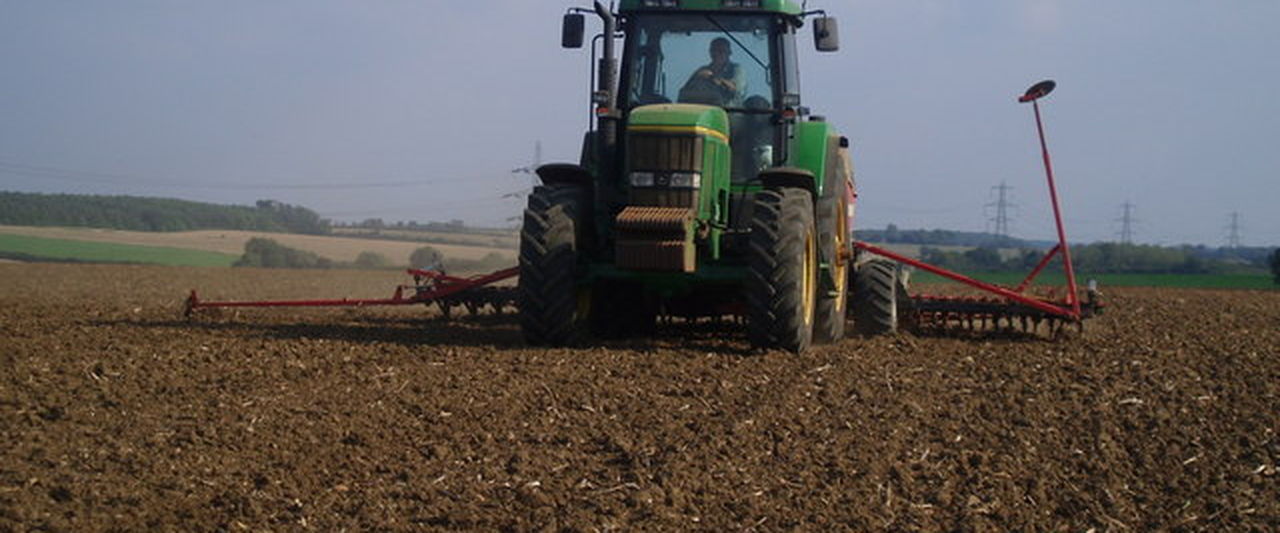
Wheat had been sown on 50.07 lakh hectares by 13 November, against 59.10 lakh hectares at the same point last year — a fall of 15.28 per cent, the sharpest of any major rabi crop in the count. The ministry's own estimate for the season is a wheat area of 336 lakh hectares, against a normal area of 315.23 lakh hectares. Closing a gap of that size, to an above-normal target, requires the fastest sowing weeks of the season to start now, not in December.
H — Hectares in total: the whole season is 22.79 lakh hectares short
Wheat is not lagging alone. Total rabi sowing stood at 178.25 lakh hectares on 13 November, against 201.04 lakh hectares a year earlier — down 22.79 lakh hectares, or 11.34 per cent. Wheat accounts for about 9 lakh hectares of that shortfall by itself. The rest is spread across pulses and oilseeds, which is why this count reads as a season-wide delay rather than farmers choosing other crops over wheat.
E — Explanation: a wet October on top of a dry monsoon
Two weather facts sit underneath the delay, and they pull in opposite directions. The southwest monsoon finished 13 per cent below normal, leaving less residual soil moisture for rainfed sowing. Then heavy October rainfall in parts of eastern and northern India disrupted the kharif harvest itself — fields could not be cleared and prepared on time, and in places mustard already sown had to be resown after rain damage. A dry season made sowing harder; a wet month made it later. Both show up in the same weekly count.
A — Acreage beyond wheat: pulses and oilseeds fell, lentil and maize rose
Pulses were sown on 47 lakh hectares, down 14.34 per cent from 54.87 lakh, with gram — the largest rabi pulse — down 21.59 per cent to 31.13 lakh hectares. Oilseeds reached 61.71 lakh hectares against 66.62 lakh, down 7.37 per cent, as rapeseed and mustard slipped 8.45 per cent to 59.31 lakh hectares. Coarse cereals eased 5.12 per cent to 11.56 lakh hectares. Against that pattern, two lines moved up: lentil sowing rose 13.89 per cent to 7.66 lakh hectares and urad rose 13.59 per cent to 0.91 lakh, while maize area increased 6.54 per cent to 3.41 lakh hectares on ethanol and feed demand. The season is late, not abandoned — and where it is moving, it is moving toward shorter or better-paid options.
| Crop / group | Sown by 13 Nov 2026 (lakh ha) | Same point, 2025 (lakh ha) | Change (%) |
|---|---|---|---|
| All rabi crops | 178.25 | 201.04 | -11.34 |
| Wheat | 50.07 | 59.10 | -15.28 |
| Pulses (total) | 47.00 | 54.87 | -14.34 |
| Gram | 31.13 | 39.70 | -21.59 |
| Oilseeds (total) | 61.71 | 66.62 | -7.37 |
| Rapeseed & mustard | 59.31 | 64.78 | -8.45 |
| Maize (rabi) | 3.41 | 3.20 | +6.54 |
Weekly rabi sowing progress as of 13 November 2026. Maize year-ago area derived from the reported increase. Source: Ministry of Agriculture and Farmers Welfare weekly sowing report, as reported 14 November 2026. Table by Farmioc.
T — Terms: a ₹2,610 floor, set before the delay was known
The price terms for this crop were fixed on 30 September, before the sowing lag was visible. For the Rabi Marketing Season 2027-28, the wheat MSP is ₹2,610 per quintal, up just ₹25 on the season before. The increases were deliberately larger elsewhere: gram at ₹5,958 per quintal, lentil at ₹7,390 and rapeseed and mustard at ₹6,613. That structure was meant to pull area toward pulses and oilseeds. Six weeks later, gram and mustard are the two crops furthest behind after wheat — a reminder that a support price can reward a harvest, but it cannot clear a wet field or replace missing soil moisture. The ministry's position, reported earlier in the season, is that sowing can continue through December and November is the critical catch-up month. That is still true. It is also a narrowing window.
The decision
Do not read 13 November as a production forecast. Read it as a timing exposure with three dated tests ahead: whether the next two weekly counts close the wheat gap toward the 336 lakh hectare estimate, whether gram recovers enough to matter for pulse supply next year, and whether late sowing pushes the wheat harvest into hotter weeks, which is where a delay turns into a yield question. Lenders and buyers carrying rabi exposure should be tracking the weekly count crop by crop, not the season total — the total can recover while wheat does not. That weekly, crop-level tracking against MSP and mandi prices is what Farmioc's DataStore and PriceHub maintain through the season.